Benicio del Toro’s career is a quiet rebellion against Hollywood’s obsession with safety. In an industry driven by box office guarantees, brand recognition, and carefully calculated risks, del Toro made a decision that many considered irrational: he repeatedly accepted drastically lower salaries so he could choose roles with artistic weight instead of commercial comfort. At times, this choice cost him stability, visibility, and financial ease. But it also earned him something far rarer than fame—trust. Trust from directors, from audiences, and from cinema itself. His commitment to characters like Javier Rodríguez in Traffic was not just professional dedication; it was an ethical stance. Del Toro believed that if you protect the art, the art will eventually protect you back. This article explores how that philosophy shaped his career, why his sacrifices mattered, and what his journey teaches anyone navigating the tension between integrity and survival.
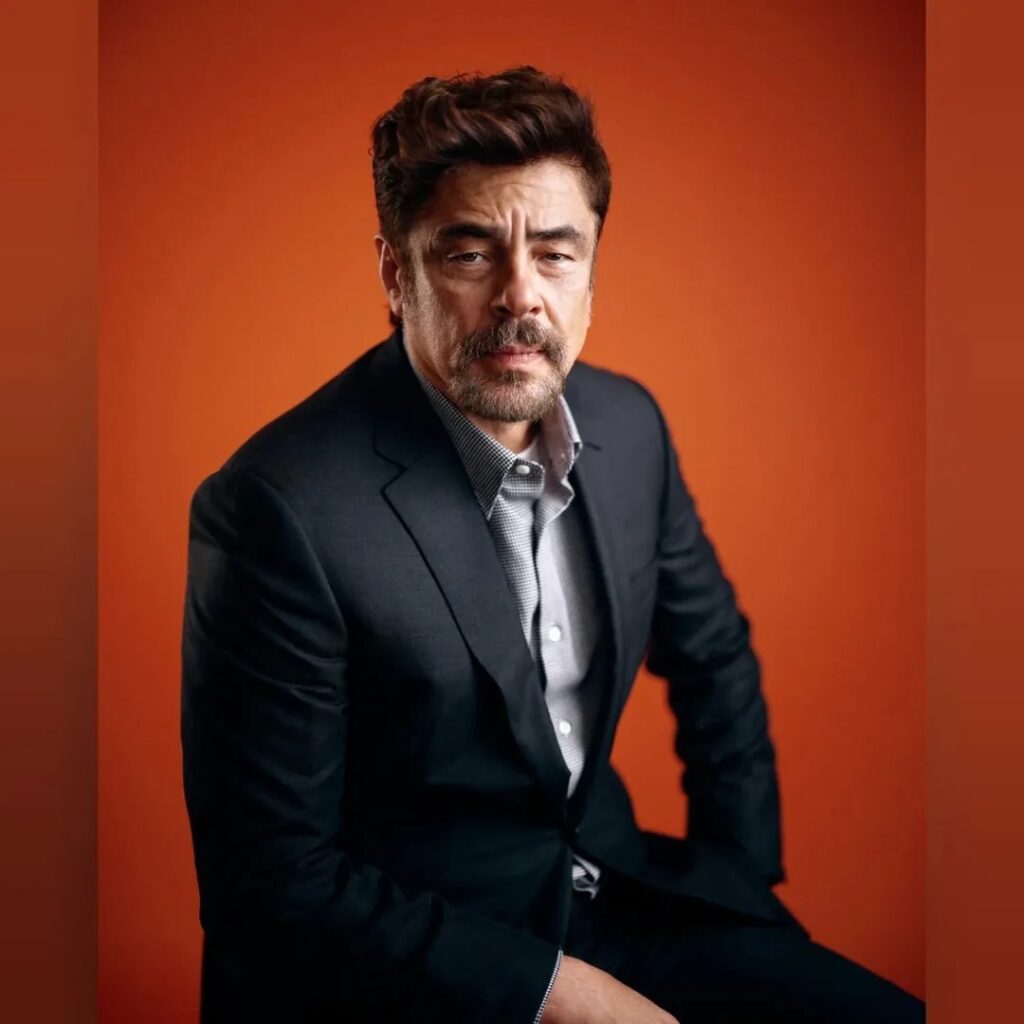
Benicio del Toro
Choosing Meaning Over Money
From early on, Benicio del Toro understood a hard truth about Hollywood: money often comes with conditions. Bigger paychecks frequently demand compromise—simplified characters, predictable arcs, and stories designed more for mass consumption than emotional truth. Del Toro chose a different path. He repeatedly turned down safer, better-paid opportunities in favor of roles that challenged him psychologically and morally.
This wasn’t an act of arrogance or romantic suffering. It was strategy. Del Toro knew that actors are defined less by how often they appear on screen and more by what they stand for when they do. By prioritizing complex, uncomfortable roles, he slowly built a reputation as an actor who elevated any project he touched. The cost was real—years without financial security, long gaps between projects—but the foundation he was laying was unshakable.
You might be wondering why someone would willingly choose instability. The answer lies in longevity. Del Toro wasn’t playing the short game. He was building a career that could withstand trends, age, and shifting industry tastes.
Total Immersion as a Creative Principle
Benicio del Toro does not “play” characters. He inhabits them. His commitment to transformation is total, often blurring the line between performance and embodiment. This level of immersion demands time, emotional exposure, and risk—factors that rarely align with high-paying, assembly-line productions.
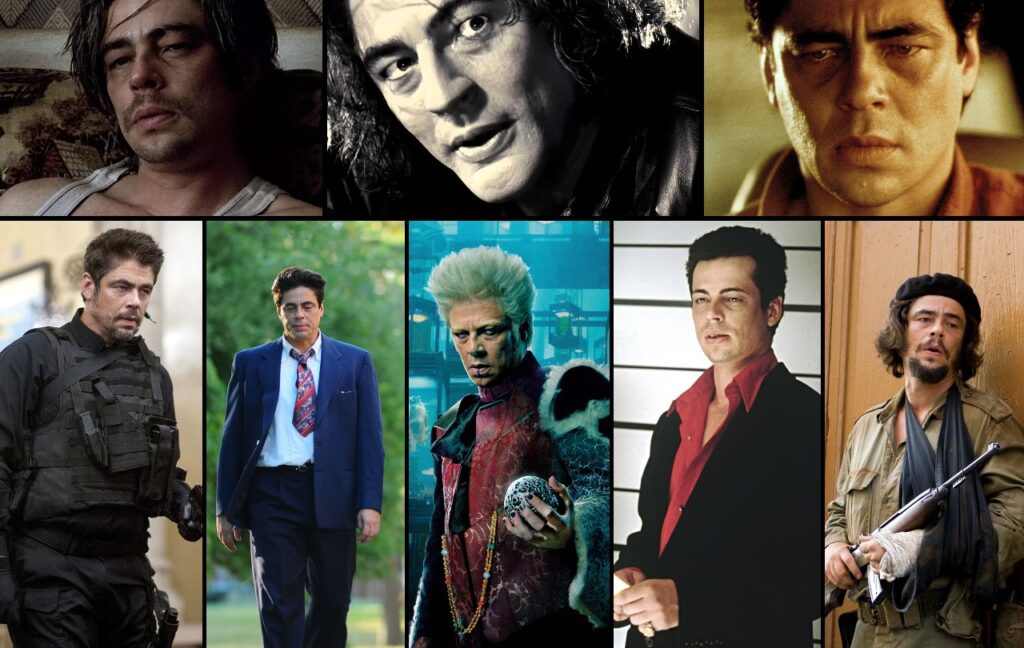
In Traffic, his portrayal of Javier Rodríguez was understated, restrained, and devastatingly human. Del Toro stripped the character of melodrama and replaced it with silence, fatigue, and moral conflict. He allowed pauses to speak louder than dialogue. The result was a performance that felt lived-in rather than performed.
This kind of acting requires trust from filmmakers and freedom from commercial pressure. Lower salaries bought him that freedom. By removing financial expectations from the equation, del Toro gained creative autonomy. He wasn’t there to sell a product; he was there to tell the truth.
The Cost of Integrity
Choosing art over comfort is not romantic in real time. It means uncertainty. It means watching peers surpass you financially while you question your own choices. Del Toro experienced long stretches where his talent was respected but not rewarded in conventional ways.
Hollywood often punishes those who don’t fit neatly into its formulas. Del Toro’s refusal to be easily categorized—neither traditional leading man nor character actor stereotype—made him harder to market. But that same refusal also made him unforgettable.
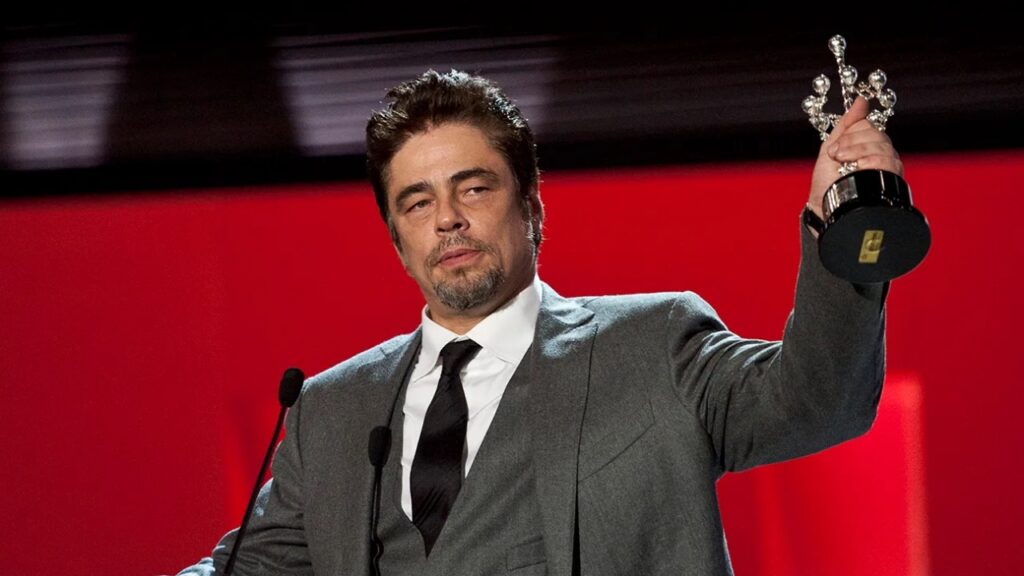
Integrity has a price. But it also has a return on investment that compounds quietly. When Traffic premiered, the industry could no longer ignore what audiences had already felt: Benicio del Toro was doing something rare. The Oscar that followed was not a fluke. It was recognition of years of unseen discipline.
Winning Respect Before Winning Awards
Awards are often treated as the goal, but for del Toro, respect came first. Directors like Steven Soderbergh, Alejandro González Iñárritu, and later Denis Villeneuve sought him out not because he guaranteed box office numbers, but because he guaranteed depth.
Respect in cinema is earned through consistency. Del Toro showed up prepared, committed, and fearless. He never diluted his performances to make them more palatable. That reliability made him a creative ally, not just a hired presence.
The Oscar win for Traffic didn’t change who he was; it confirmed what he had already built. By the time awards recognized him, his peers already knew his value. That is the difference between recognition that fades and recognition that anchors a legacy.
When the Art Protects You Back
There’s a quiet moment in many artistic careers when the gamble pays off. For Benicio del Toro, that moment came not as sudden stardom but as sustained relevance. Decades into his career, he continues to receive offers that prioritize substance over spectacle.
Because he protected the art early, the art now protects him. He doesn’t chase roles; roles come to him. His name signals seriousness, intention, and trust. In an industry that constantly discards talent, that kind of reputation is priceless.
Del Toro’s journey reveals a counterintuitive truth: security doesn’t always come from money. Sometimes it comes from credibility. And credibility, once established, opens doors that money never could.
The Quiet Power of Choosing Integrity
Benicio del Toro’s career is proof that success does not have to be loud to be lasting. His willingness to accept lower salaries in exchange for artistic freedom was not a sacrifice—it was an investment. By protecting the integrity of his craft, he built a legacy rooted in respect rather than hype.
In a culture obsessed with shortcuts and immediate rewards, del Toro chose patience. He trusted that meaningful work would eventually speak for itself. And it did. His Oscar was not just a trophy; it was a symbol of what happens when an artist refuses to compromise their values.
For anyone standing at a crossroads between comfort and conviction, his story offers clarity. Money solves temporary problems. Integrity builds permanent foundations. When you choose the work that challenges you, shapes you, and scares you a little, you’re not falling behind—you’re preparing.
Protect the art. Let it mature. Let it struggle. Because one day, when trends shift and noise fades, the art will still be standing. And if you’ve been faithful to it, it will protect you back. Follow for more stories about artists who chose depth over safety and built legacies that endure.
Connect with Benicio del Toro

Claire Beaumont brings a strong foundation in journalism and a dynamic background in the film industry to her role as Chief Contributor and Editor. With over ten years of experience reporting, editing, and managing content across digital platforms, she has developed a keen editorial eye and a distinctive voice that shape the tone and direction of our publication.
Her career began in investigative journalism, where she covered arts and culture for leading media outlets, before transitioning into script development and editorial consulting within independent film. This unique blend of storytelling expertise informs her approach to content strategy, ensuring that every piece published is both compelling and deeply informed.
Claire oversees our editorial calendar, mentors our team of writers, and continues to contribute long-form features that bridge narrative depth with journalistic rigor.