
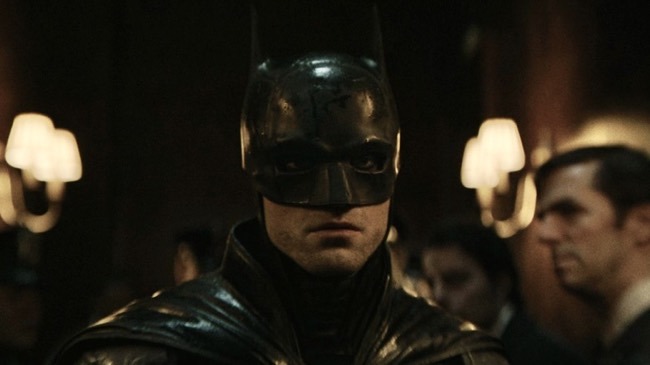
Some movie cities are locations. Others seem to have a personality of their own. Gotham belongs to the second group: a place whose shadows, rooms and streets shape the way we experience its characters.
Gotham as a state of mind
Matt Reeves’ The Batman gives Robert Pattinson’s Bruce Wayne a city that feels difficult to escape, even when he is moving through it. Rain, darkness and enclosed spaces do more than establish a mood. They make his routine feel repetitive: another night outside, another confrontation, another return to isolation.
For a familiar superhero, that atmosphere changes the invitation. We are not waiting to learn why the costume exists. We are watching what living inside it does to the person who wears it. Recognition gets us into the film; Bruce’s inability to imagine much beyond the mission keeps it uneasy.
The difference between pain and purpose
The original FilmmakerLife editorial approached the film through grief. That is a useful way to read Bruce’s severity. His work has direction, but his emotional life seems to have narrowed around it. Being constantly occupied is not the same as having made peace with loss.
Pattinson’s withdrawn presence matters here. Bruce can dominate an encounter as Batman while seeming much less able to occupy an ordinary social space. The contrast makes the disguise feel like both a weapon and a refuge. It is easier for him to become something frightening than to let another person see what still hurts.
A familiar symbol, a different feeling
Selina Kyle, played by Zoë Kravitz, puts another person inside that closed emotional world. Their encounters give the film something more intimate than a tour through Gotham’s corruption. They ask what Bruce notices about people when he is not treating the city only as a problem to solve.
The contrast with Barbie’s instantly recognisable world is revealing. A film does not need to abandon a familiar image to find a new angle on it. It needs a clear idea of what that image feels like from inside.
Gotham’s darkness works because it belongs to Bruce’s emotional limits as well as the scenery. The atmosphere becomes a way of asking whether a person can turn pain into a purpose without allowing it to become their entire identity.

FilmmakerLife is a film media platform covering movies, Hollywood and screen culture across our website and social channels. We publish film stories, interviews and features for movie audiences, and work with studios, brands and agencies on social campaigns, branded content and advertising partnerships.