
When Robin Williams passed away, the world mourned an artist whose characters had shaped generations. But as tributes filled the internet, something unexpected happened. Quiet stories—ones he never shared publicly—began to surface from nurses, parents, hospital staff, and ordinary people. They described a man who spent countless hours visiting children fighting terrifying illnesses. A man who paid medical bills for people he had never met. A man whose fame was enormous, but whose humility was even bigger.
This article explores those hidden acts of kindness, the emotional power behind them, and why his generosity continues to echo years after his passing. Through real accounts and emotional testimonies, we explore the side of Robin Williams that the world wasn’t meant to see—but needed to.
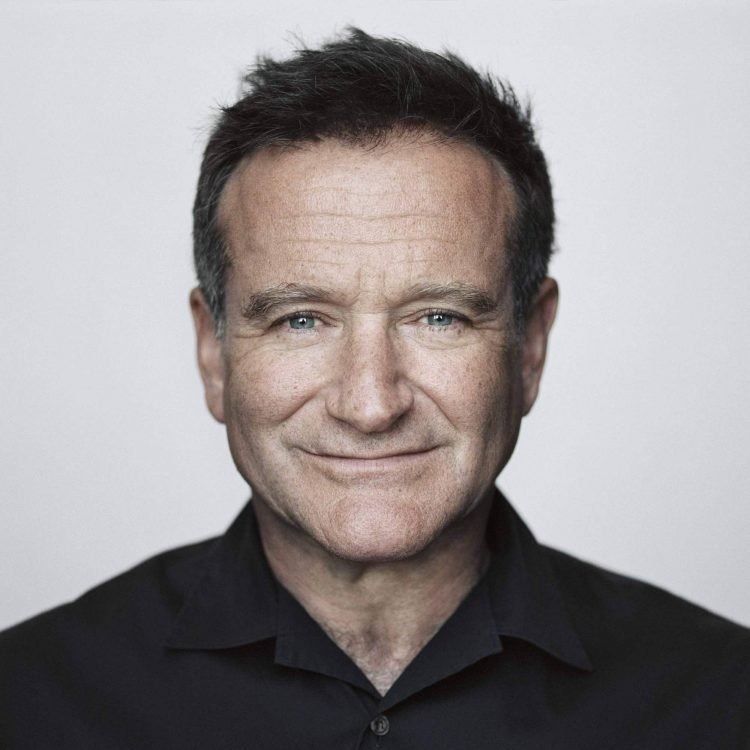
Robin Williams
A Man Who Showed Up When No One Was Watching
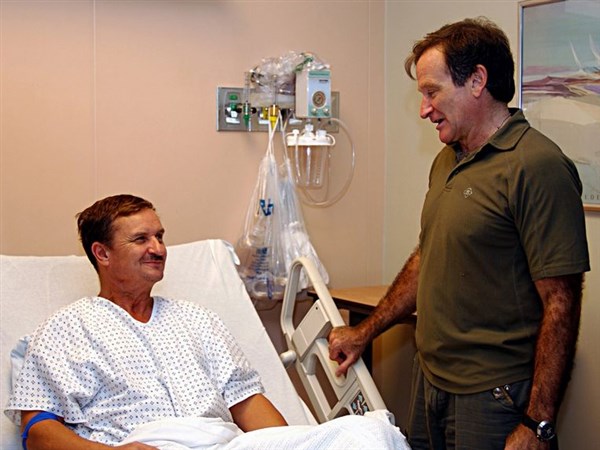
For more than a decade, Robin Williams quietly appeared in hospitals across the United States. Not as a celebrity. Not as a star. But as a man who wanted to make sick children forget, even briefly, the weight of their illness.
He never called the media. He never took a photographer. He never treated these visits as charity or publicity. Nurses recall that sometimes he arrived with no team, no entourage—just a few silly props or a voice ready to create a character out of thin air.
Parents described the same pattern:
He walked into a room filled with fear… and replaced it with laughter.
He had a way of turning tubes, monitors, and cold hospital walls into a temporary stage.
He stayed until the children smiled—a real smile, not the forced kind that kids use when they’re trying to be strong.
These moments weren’t small. They were transformative. And he never spoke about them.
The Stories That Emerged Only After He Was Gone
His silence was so complete that many of his acts became known only because families, staff members, and friends spoke up after his death.
A pediatric nurse from Chicago shared how Robin visited a terminally ill boy who hadn’t smiled in days. After an hour of jokes, funny voices, and improvised storytelling, the boy laughed so hard that his mother cried—not from sadness, but from relief.
Another nurse shared how Robin insisted on staying longer to comfort a teenager who had just learned his treatment wasn’t working. He didn’t offer clichés. He didn’t pretend to fix what couldn’t be fixed. He simply sat beside him and talked—about movies, games, and whatever made the boy feel human again.
These weren’t grand gestures for the world to applaud. They were intimate, human moments. And they mattered.
The Bills He Paid for Strangers Without Credit or Recognition
Multiple families later revealed something extraordinary:
Hospital administrators would inform them that their medical bills had been taken care of… anonymously.
Years later, through indirect confirmations or small hints, they realized the donor had been Robin Williams.
He never met these families.
He never asked for anything from them.
He didn’t want a headline.
He wanted someone to breathe easier while facing the hardest moment of their life.
One family shared that the hospital told them simply, “A friend wanted to help.”
That was it.
That was all the credit he ever took.
Laughter as Medicine: A Gift He Knew How to Give Better Than Anyone
Robin understood the transformative power of laughter in ways most people never will.
To him, comedy was more than entertainment. It was connection. It was relief. It was medicine for people who had very little to smile about.
Studies later confirmed what Robin instinctively knew: laughter reduces stress hormones, supports the immune system, and helps patients cope with pain.
Doctors noticed changes after his visits. Children relaxed. Their breathing improved. Their fear softened.
He didn’t cure illnesses. But for moments that mattered, he cured hopelessness.
The Humanity Behind His Humor
What makes these stories even more powerful is that Robin Williams was not a man unfamiliar with pain.
He struggled internally in ways he rarely discussed.
He used humor not just to make others happy—but to stay connected to the world himself.
That duality gave him a sensitivity that few people possess.
He understood loneliness too well.
He understood fear too well.
And because of that, he carried kindness everywhere he went.
Those who knew him said he couldn’t simply walk past someone suffering. He noticed things others ignored. He leaned into moments others avoided. He listened deeply, especially when someone was trying not to cry.
A Legacy Defined Not by Fame, but by Compassion
Robin Williams left behind unforgettable films and iconic characters, but none of those achievements compare to the impact of the stories that emerged afterward.
When people spoke about him after his passing, they didn’t only mention Mrs. Doubtfire, Good Will Hunting, Dead Poets Society, or Aladdin.
They spoke about the man who showed up for their son.
The man who stayed after visiting hours.
The man who didn’t need applause to do good.
His generosity didn’t live on billboards.
It lived in memories.
In hospital rooms.
In debts erased without explanation.
In laughter that arrived exactly when it was most needed.
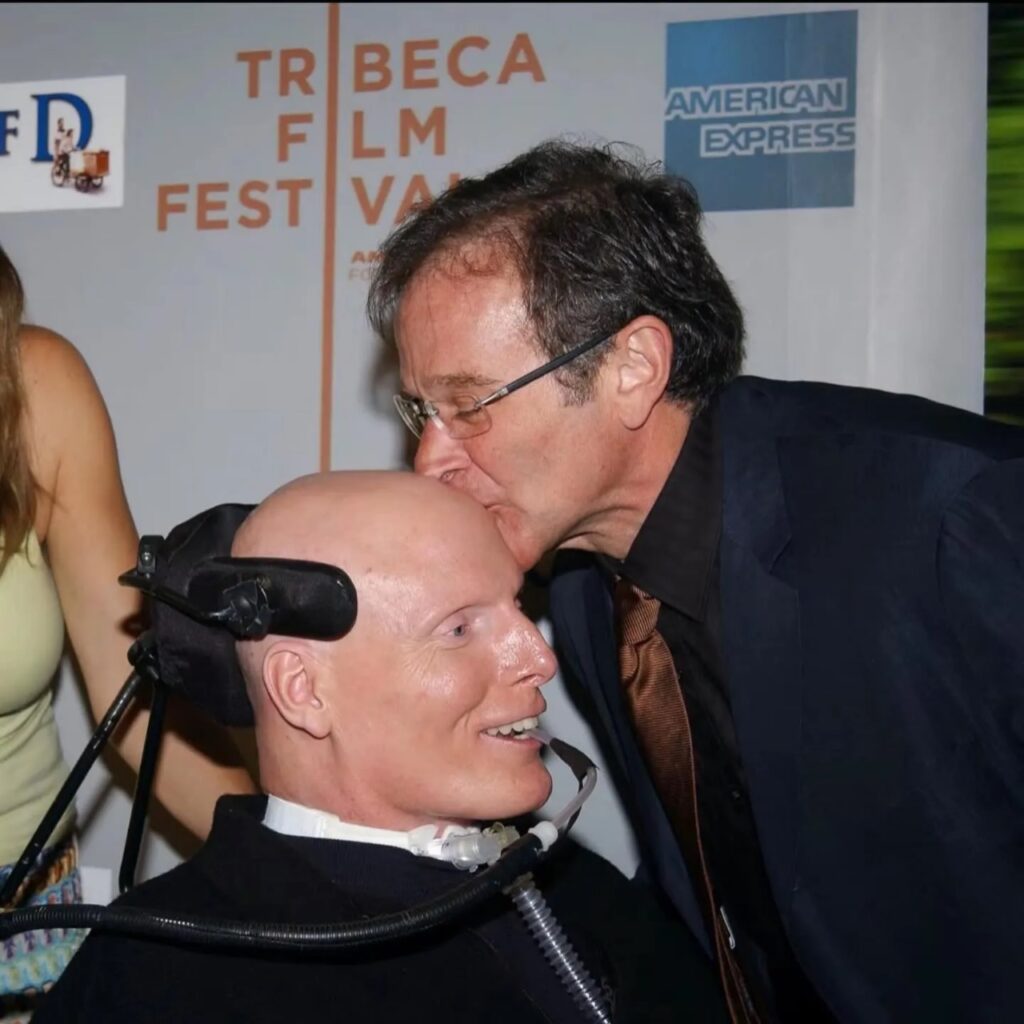
Robin Williams reminds us that the greatest kindness is the kind no one sees—quiet, unrecorded, offered simply because someone cares. His legacy goes far beyond his films; it lives in the moments he showed up for people who felt invisible, helping strangers without asking for recognition.
His story challenges us: How much good could we do if we stopped needing to be noticed?
Anyone can change someone’s world—not through fame or wealth, but through warmth, generosity, and presence at the moment it matters most.
The lives he touched still carry his light. To honor him, we don’t need his fame—only his heart.
Because the truth is simple: kindness leaves the longest legacy.

Connect with Robin Williams

Marcel Padriano is a film analyst and writer with a focus on marketing, distribution, and the independent film circuit. His work blends industry knowledge with a sharp understanding of global trends, making his articles a valuable resource for filmmakers, producers, and creatives navigating today’s evolving cinematic landscape.